Climate Adaptation and Mitigation
Climate Adaptation and Mitigation
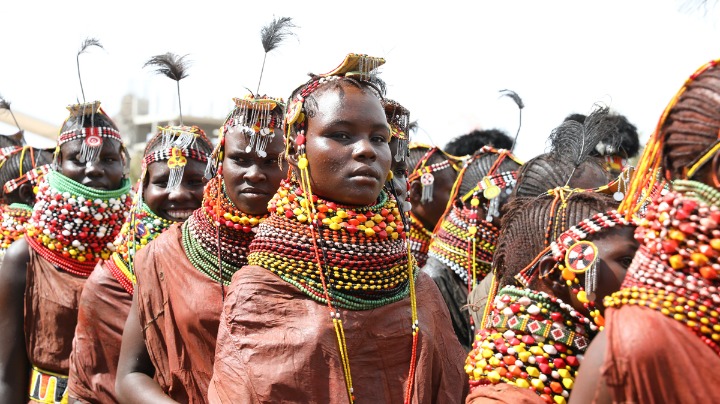
Climate change is no longer a distant threat for the people of Turkana — it is a daily reality. Rising temperatures, unpredictable rainfall, frequent droughts, and resource scarcity have severely disrupted traditional pastoralist lifestyles.
At TIPD Kenya, we work with Indigenous communities to build climate resilience using local knowledge, science-based solutions, and inclusive adaptation planning. Our goal is to preserve livelihoods, ecosystems, and cultural survival in the face of climate disruption.

What We Do.
Community-Based Adaptation (CBA) –
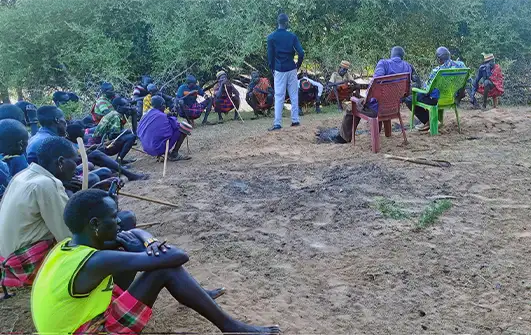
We engage communities in identifying climate risks and co-developing practical, low-cost adaptation strategies that reflect their Indigenous knowledge systems. Water Access & Management –
We support the construction of sand dams, solar-powered boreholes, and rainwater harvesting systems to address chronic water scarcity. Climate-Smart Agriculture & Pastoralism –
We promote drought-resistant crops, efficient grazing systems, and rangeland restoration practices to protect the environment while sustaining food production. Climate-Smart Agriculture & Pastoralism –
We promote drought-resistant crops, efficient grazing systems, and rangeland restoration practices to protect the environment while sustaining food production. Climate Education & Advocacy –
We train Indigenous youth and leaders on climate justice, empowering them to participate in national and global climate platforms.
We engage communities in identifying climate risks and co-developing practical, low-cost adaptation strategies that reflect their Indigenous knowledge systems. Water Access & Management –
We support the construction of sand dams, solar-powered boreholes, and rainwater harvesting systems to address chronic water scarcity. Climate-Smart Agriculture & Pastoralism –
We promote drought-resistant crops, efficient grazing systems, and rangeland restoration practices to protect the environment while sustaining food production. Climate-Smart Agriculture & Pastoralism –
We promote drought-resistant crops, efficient grazing systems, and rangeland restoration practices to protect the environment while sustaining food production. Climate Education & Advocacy –
We train Indigenous youth and leaders on climate justice, empowering them to participate in national and global climate platforms.
Why It Matters.
Turkana is among the most climate-vulnerable regions in Kenya. Without urgent adaptation, communities risk:
Livelihood Collapse – Loss of income and sustenance sources due to climate impacts on farming, herding, and other traditional practices.
Displacement and Migration – Forced movement of communities as a result of environmental degradation and climate-related disasters.
Increased Conflict Over Dwindling Resources – Rising tensions and disputes over access to scarce water, land, and food resources.
Loss of Cultural Identity – Erosion of traditional knowledge, practices, and community cohesion tied to the environment and ancestral lands.
Through adaptation, we protect both people and the land they depend on.
Impact Snapshot
Water points constructed in arid areas- 8
Households adopting climate-smart practices-300
Indigenous youth trained in climate action 100+