
Where Indigenous Wisdom Meets Modern Science — Building Resilience That Lasts
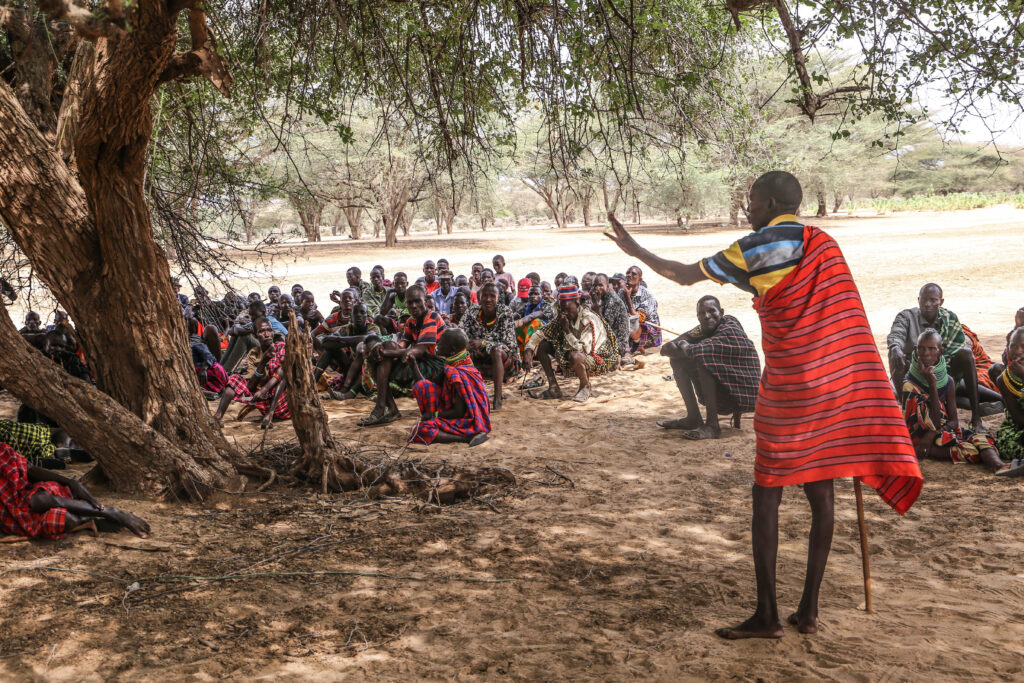
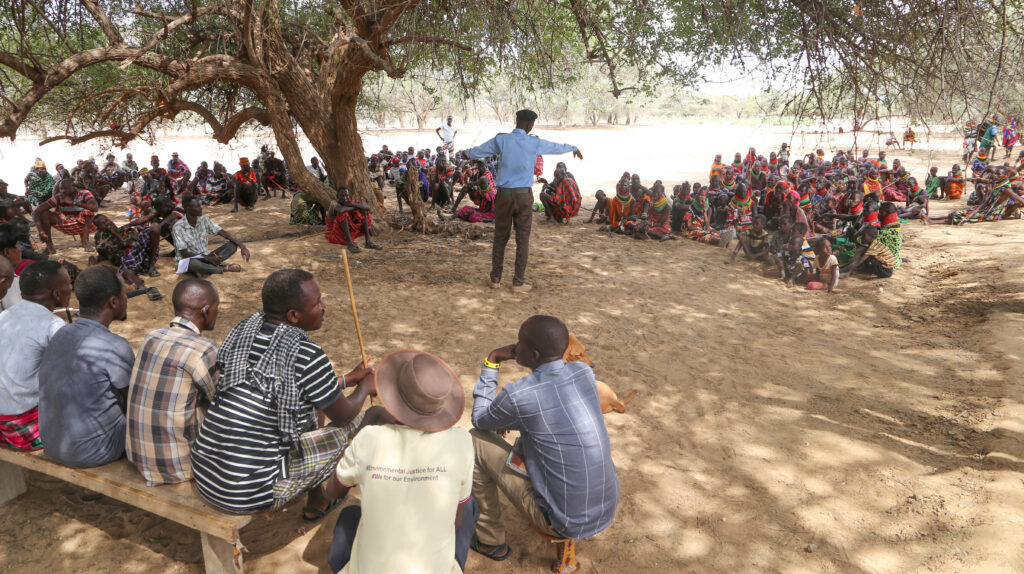
In the months of May, June and July 2026, as TIPD Kenya, we have been conducting a series of intergenerational knowledge sharing community forums across Turkana County. This session presented a key platform where the elderly and youth engaged on key topics revolving around traditional knowledge generational linkages.
In Turkana, Indigenous communities have historically relied on traditional knowledge and locally developed coping mechanisms to strengthen resilience and respond to climatic variability. Pastoralists have traditionally interpreted weather and climate patterns by observing natural indicators, including the stars, wind direction, animal behaviour, vegetation and other environmental cues. This Indigenous knowledge played a critical role in guiding decisions related to livestock movement, water availability, pasture management and preparedness for climatic shocks.
However, this valuable knowledge is gradually diminishing due to generational and educational shifts, socio-economic and livelihood changes, cultural and institutional factors, policy gaps, and the increasing impacts of climate change. The weakening transmission of Indigenous knowledge from elders to younger generations risks losing an important body of locally relevant information that has supported community resilience for generations.
As TIPD-Kenya, we stand with Indigenous pastoralist indigenous communities in promoting a future rooted in their land, livestock, knowledge and voices. We are committed to supporting the systematic collection, revitalization, documentation and preservation of Indigenous knowledge and practices as a valuable resource for present and future generations.
The current climatic situation further demonstrates the importance of strengthening dialogue between Indigenous knowledge systems and modern scientific forecasting. The Kenya Meteorological Department’s recent forecast of above-normal rainfall in parts of Turkana in the coming months presents an important opportunity for communities to strengthen preparedness. At the same time, some of the forecast patterns may differ from traditional Ngiturkana interpretations of seasonal cycles. For instance, August, traditionally referred to as “Lotiak,” is understood as a transitional period separating the wet and dry seasons. The weather conditions currently being experienced by communities therefore raise important questions about changing of traditional climatic patterns and the reliability of historically established seasonal indicators.
Rather than viewing Indigenous knowledge and scientific forecasting as competing systems, TIPD-Kenya recognizes the value of bringing both knowledge systems into constructive dialogue. Combining community observations with scientific climate information can strengthen early warning, preparedness and locally appropriate decision-making.
TIPD-Kenya therefore continues to ensure that Indigenous communities are adequately sensitized on anticipated climate-related hazards and supported to take appropriate precautionary measures. This will help communities protect lives and livelihoods, safeguard livestock and other assets, and reduce the potential negative impacts of anticipated shocks and stresses.
Our vision is to see Indigenous knowledge preserved, respected and integrated into climate resilience efforts ensuring that communities remain informed, prepared and empowered to shape a resilient future rooted in their land, culture and knowledge.